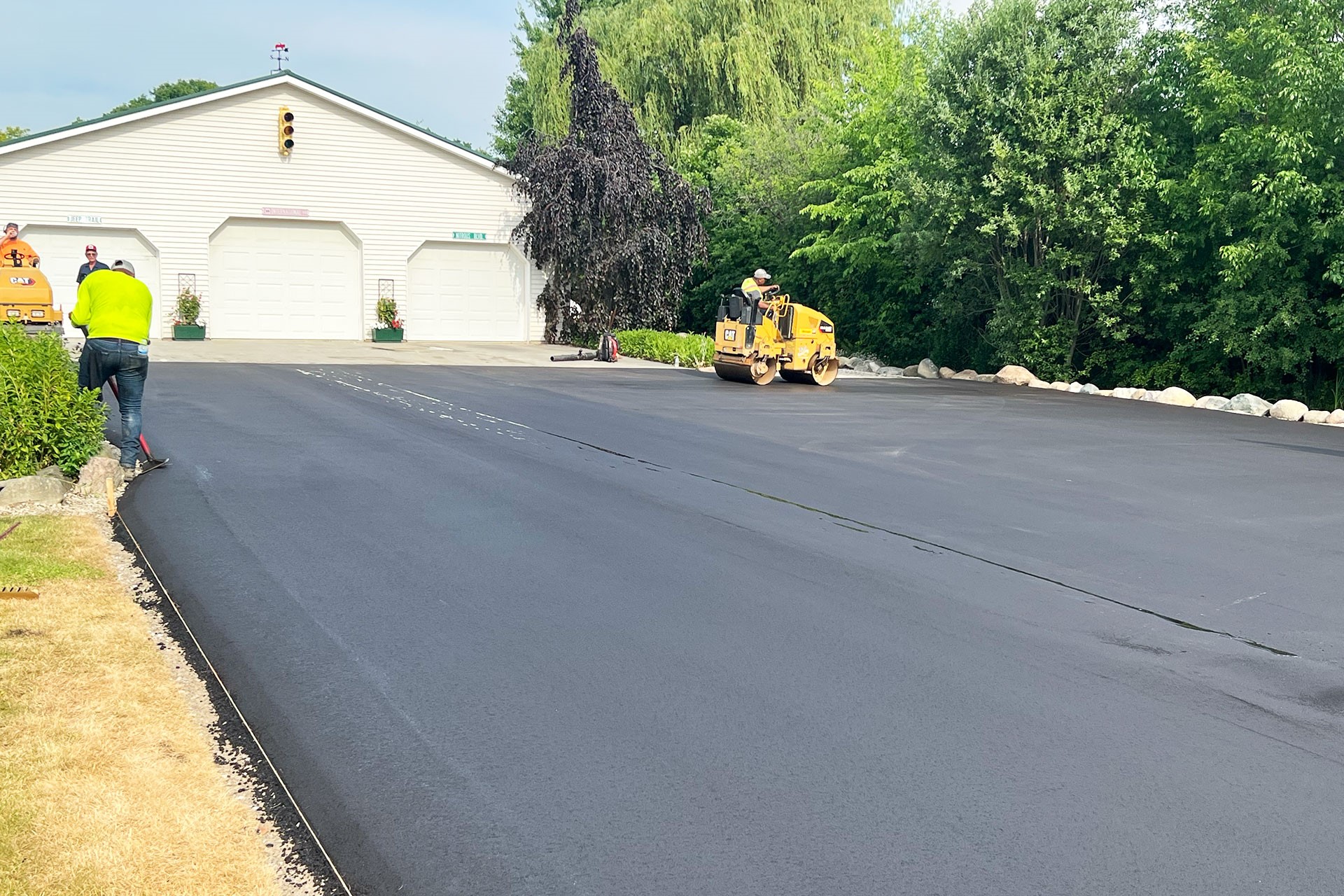
As temperatures begin to drop and the paving season winds down, property owners should take time to evaluate the condition of their asphalt driveways, parking lots, and paved surfaces. While warmer weather is generally ideal for many asphalt paving projects, late fall is an important time to identify potential problems and prepare your pavement for the colder months ahead.
At Total Asphalt Paving, we know that proper asphalt maintenance can help protect your investment, reduce the risk of further damage, and make it easier to plan repairs before small issues become bigger problems.
Whether you manage a commercial parking lot or own a home with an asphalt driveway, here are several important steps to consider before winter arrives.
1. Inspect Your Asphalt for Cracks and Surface Damage
One of the most important things you can do before winter is inspect your asphalt for visible signs of wear. Small cracks, surface deterioration, and damaged areas may not seem like urgent concerns, but they can become more problematic when exposed to winter weather.
Water can seep into cracks in asphalt pavement. When temperatures fluctuate around freezing, that moisture can freeze and expand, placing additional stress on the surrounding pavement. Repeated freeze-thaw cycles can cause cracks to widen and contribute to potholes and other surface damage.
Walk your driveway or parking lot and look for:
- Small cracks or expanding fissures
- Potholes or crumbling pavement
- Uneven surfaces or areas where water collects
- Faded or deteriorating asphalt
- Damaged edges along driveways and parking areas
Identifying these issues early allows you to determine which repairs should be addressed before winter and which projects can be scheduled for the next paving season.
2. Address Drainage Problems Before Cold Weather Sets In
Proper drainage plays a major role in maintaining the condition of asphalt pavement. Water that collects on the surface or around the edges of a driveway or parking lot can contribute to deterioration over time.
Before winter, check for low spots, clogged drains, and areas where water consistently pools after rainfall. Pay particular attention to places where the pavement meets sidewalks, curbs, buildings, and landscaping.
Standing water may indicate a drainage issue or an uneven pavement surface that requires professional evaluation. Addressing these concerns can help reduce moisture-related damage and support the long-term performance of your asphalt.
For commercial properties, drainage is especially important because large paved areas can collect significant amounts of rainwater. Proper planning and maintenance help protect both the pavement and the surrounding property.
3. Determine Whether Asphalt Repairs Can Be Completed This Season
Not every asphalt problem needs to wait until spring. Depending on the weather, pavement conditions, the type of repair, and the materials being used, certain repairs may still be possible late in the season.
However, asphalt paving and many repair materials require suitable temperatures and conditions for proper installation and performance. As temperatures drop, scheduling becomes more dependent on the specific project and local weather forecast.
If your driveway or parking lot has significant cracking, potholes, or deteriorating sections, consider having the area evaluated by an experienced paving contractor.
A professional assessment can help determine whether repairs should be completed now, whether temporary measures are appropriate, or whether the work should be scheduled for warmer weather.
Waiting without a plan can allow existing damage to worsen, so it is worth understanding your options before winter arrives.
4. Prepare Your Driveway or Parking Lot for Winter
Routine maintenance can help keep asphalt in better condition throughout the winter months.
Before freezing weather begins, remove leaves, dirt, and other debris from paved surfaces and drainage areas. Organic debris can hold moisture against the pavement and obstruct drainage. Keeping the surface clear also makes it easier to spot developing problems.
For commercial parking lots, property managers should inspect high-traffic areas, entrances, loading zones, and locations where delivery vehicles frequently turn or stop. These areas can experience greater wear and may need attention sooner than less frequently used sections.
If you use snow-removal services, make sure the contractor understands how to protect the pavement during plowing. Appropriate equipment settings and careful snow removal can help reduce the risk of unnecessary surface damage.
Sealcoating and other protective treatments should also be planned according to product specifications and suitable weather conditions rather than applied simply because the season is ending.
5. Start Planning Your Spring Asphalt Paving Project Now
Late fall is also an excellent time to plan paving work for the coming year.
If your asphalt driveway or parking lot is nearing the end of its useful life, planning ahead gives you time to evaluate your options, establish a budget, and schedule work before the busy spring paving season.
Depending on the pavement’s condition, your project may involve crack repair, resurfacing, partial pavement replacement, or complete asphalt replacement. The right solution depends on the extent of the damage and the condition of the underlying base.
Commercial property owners can benefit from planning ahead because parking lot projects may require coordination around business operations, customer access, employee parking, and deliveries.
By discussing your project early, you can make more informed decisions and be better prepared when suitable paving weather returns.
Protect Your Asphalt Investment with Total Asphalt Paving
As the paving season winds down, taking a proactive approach to asphalt maintenance can help you avoid surprises during the winter and prepare for the year ahead.
From evaluating existing pavement damage to planning driveway improvements and commercial parking lot projects, Total Asphalt Paving can help you determine the next steps for your property.
Don’t wait until spring to start thinking about your asphalt. Contact Total Asphalt Paving to discuss your paving needs, evaluate potential repairs, and plan your next project.